Why joints respond to gentle, regular movement
Joints are designed to move. Tissue that is used gently and often stays flexible, supplies circulation and recovers well. Tissue that is held still, or loaded suddenly and without preparation, tends to become stiff and sensitive. The contrast between these two patterns explains most of the day-to-day discomfort people experience.
The encouraging part is that the most useful movements are unremarkable. They do not require special equipment and they do not need to be long.
A gentle sequence for most days
- Gentle shoulder rolls and wide arm circles to open the upper back
- A short walk with purposeful, relaxed strides to move the hips and ankles
- Calf raises and a gentle squat to load the legs and hips within comfort
- Spinal rotation through the mid-back, moving slowly and without forcing range
- Neck and upper trapezius stretches to ease the effects of desk work
- Balance practice near a counter, holding lightly for stability work
Protect the bone as well as the joint
Bone responds to load in the same way muscle does. Weight-bearing activity, which includes walking, climbing stairs, dancing and resistance training, helps maintain density. Adequate protein, calcium and vitamin D, along with sensible sun exposure, complete the picture.
Adjust rather than abandon
Soreness after a new movement is expected, but sharp pain, swelling or instability is a signal to stop and adjust. Start with a smaller range, a slower tempo or a supported position. Consistency matters more than intensity, and a short routine performed regularly will always beat an ambitious one that gets abandoned.
The best movement plan is the one that fits into a normal Tuesday.
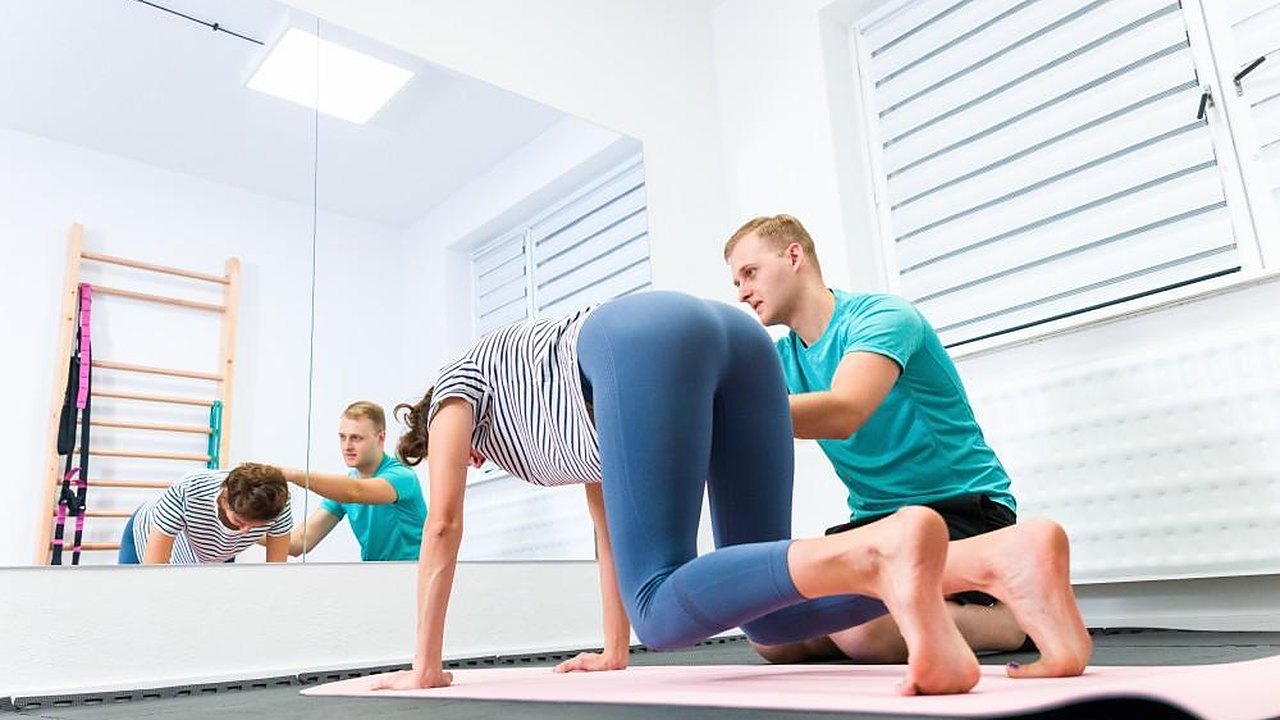
If you are managing a diagnosed joint condition, recovering from injury or working with long-standing pain, it is worth having a physiotherapist review your plan. Our joint and bone health team can coordinate with your existing care team and adjust the approach safely.